Hindustani Classical Music (Vocal)
History
Hindustani classical music, one of India’s two major classical traditions, the other being Carnatic music, has roots in Vedic chants and evolved over centuries, influenced by Persian, Afghan, and Mughal cultures. The medieval era saw the rise of dhrupad under royal patronage, followed by khayal, thumri, and tappa. Pioneers like Tansen and the emergence of gharanas such as Gwalior and Agra shaped its unique identity.
Key Aspects
Raga: It’s a melodic framework of the combination of notes linked to emotions, times and seasons.
Tala: It’s a musical measure with a specific number of beats that reoccur in the same pattern throughout a musical performance.
Alap and Bandish: Alap is a melodic improvisation in the music that introduces and develops a raga. Bandish is a fixed melodic composition set ina specific raga.
Instruments: Many instruments are played in this type of music, for example; Sitar, Tabla, Flute etc.
Fundamentals
Hindustani classical music is based on seven notes (Sa, Re, Ga, Ma, Pa, Dha, Ni) forming raga frameworks with specific ascending (Aroha) and descending (Avaroha) patterns. Improvisation and oral transmission under a guru are essential elements of training.
Modern relevance
Hindustani classical music remains significant through:
Global recognition: Music icons like Ravi Shankar and Zakir Hussain popularized it worldwide.
Therapeutic benefits: It is said that when sung properly, ragas aid stress relief and emotional healing.
Fusion: Blending with jazz, rock, and electronic music expands its appeal.
Education: Courses and research uphold its artistic and scholarly value.
Hindustani classical music, a blend of tradition and innovation, continues to inspire, heal, and connect audiences globally, preserving India’s rich cultural heritage.
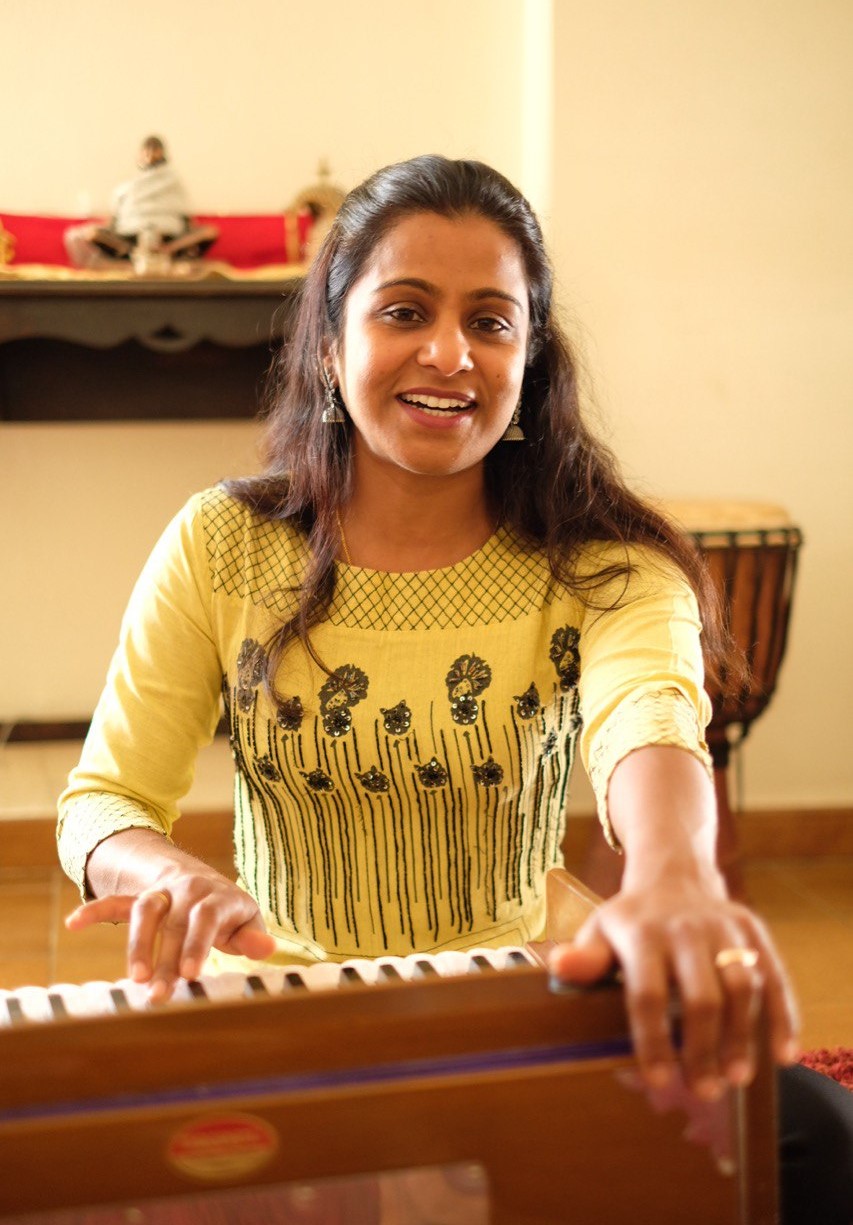
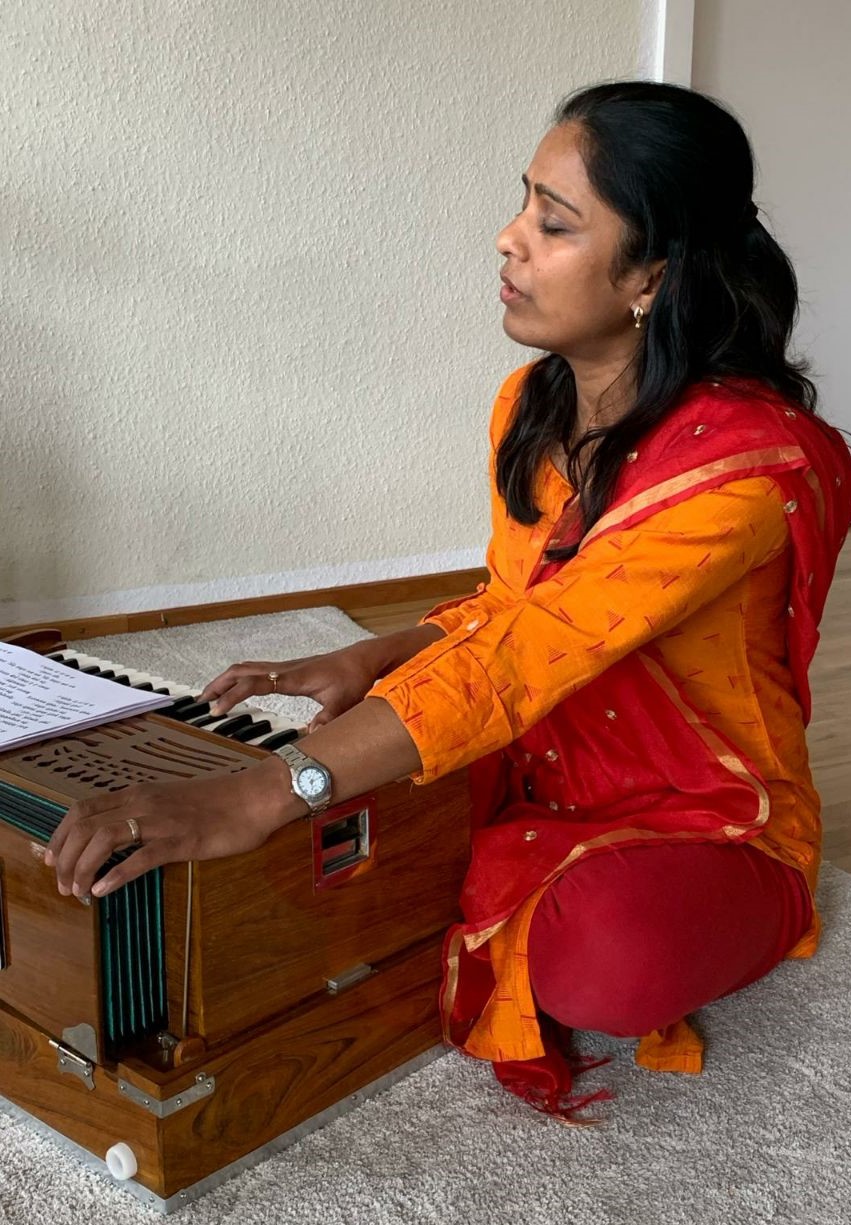
I am 70 years old and have deep interest in singing. I have been learning Indian classical music from Abhiruchi since last one year. She teaches with great patience and passion. She is also very particular on clarifing the intent and technical details of the musical pieces she is teaching. I have learnt a couple of Ragas so far from her and I am always excited to attend her session. She is also very humane and engaged teacher and hence she has been able to establish a friendly and positive learning atmosphere.
I was looking for a music teacher for a long time. As a novice I was bit clueless. I ended up with a few teachers and could not connect. Over discipline, over technical – it took out the fun. With Abhi it was and continues to be so much fun. Freedom to pick songs of my choice. The ease of learning. The fun of being in music and discovery with her is just beyond!! She is humbling, learned and understands the student from an empathetic prespective this making learning fun, adventure and consistent. – isn’t that a discipline 😉
© 2026 Sanskriti School of Arts


